
From Topicals to Transplants What Actually Works for Hair Loss
Hair loss used to feel like a one-way street. You noticed it, maybe tried a shampoo, and eventually accepted it. That is not really how it works anymore. There are more options now than most people realize, and the difference between doing nothing and choosing the right approach can be significant.
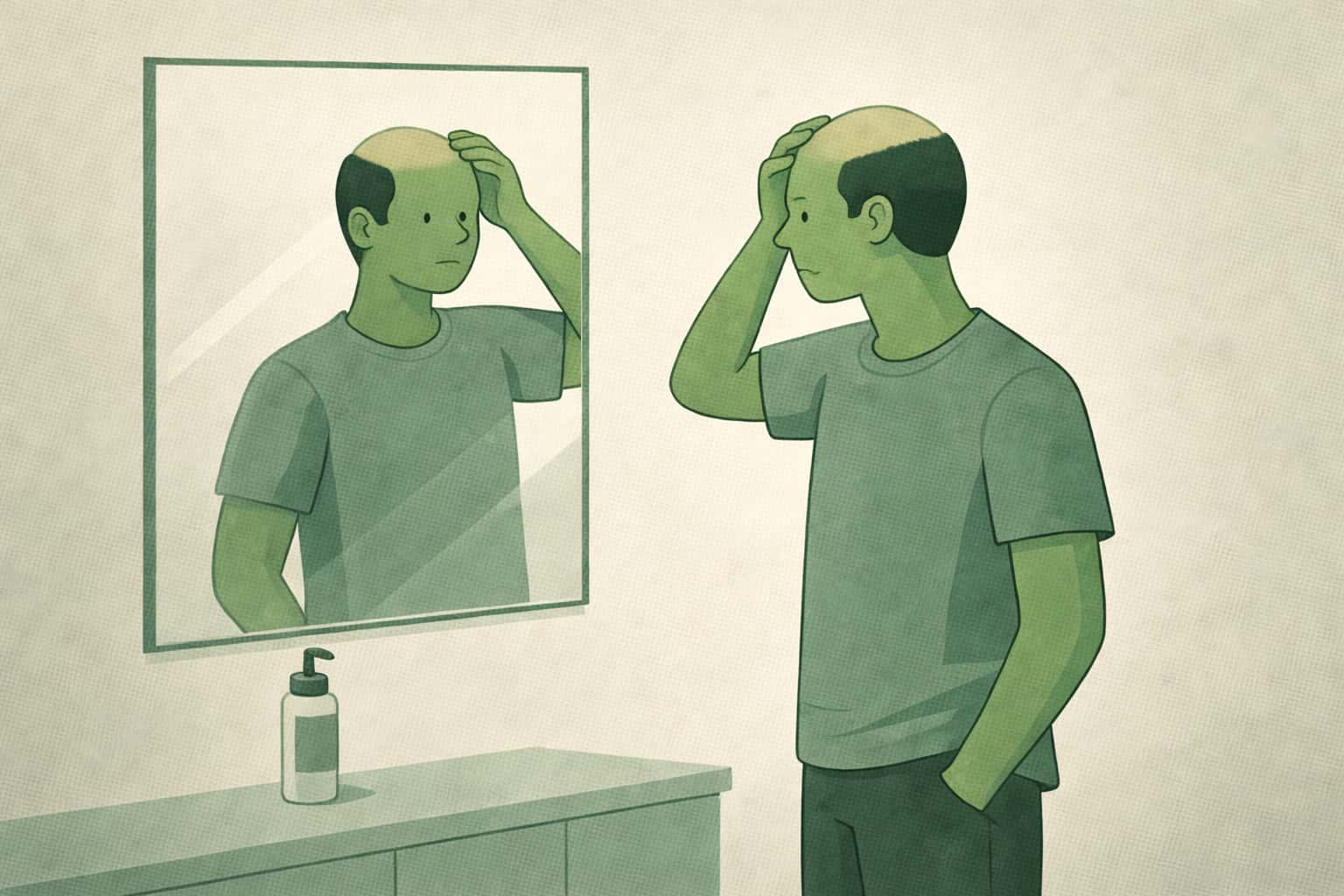
Why Most People Wait Too Long
Hair loss does not hit all at once. It starts subtly. A little thinning at the crown, a receding hairline, more hair in the shower drain. It is easy to ignore because nothing feels urgent. The problem is that most treatments work better the earlier you start. By the time it feels obvious, you are often trying to recover hair instead of preserving it.
What Actually Causes Hair Loss
For most people, it comes down to androgenetic alopecia, also known as pattern hair loss. It is driven by a hormone called DHT that gradually shrinks hair follicles over time. Once a follicle fully stops producing hair, it is much harder to bring it back. That is why most treatments focus on slowing or stopping that process first, not just regrowing what is already gone.
Comparing the Main Hair Loss Options
There is no single solution. Most people are choosing between a few core approaches, often combining them.
Topical treatments like minoxidil are the most accessible starting point. You apply them directly to the scalp to increase blood flow and support hair growth. Over-the-counter versions typically cost around $20 to $60 per month and can help maintain or slightly regrow hair with consistent use.
Prescription treatments like finasteride work differently. They target DHT, the hormone responsible for shrinking hair follicles. According to GoodRx, generic versions can cost as little as $10 to $30 per month. These are often more effective at slowing loss, but they require a prescription and come with potential side effects that need to be considered.
Hair transplants are the most permanent option. They involve moving hair from one part of the scalp to another. Costs typically range from $4,000 to $15,000 depending on the extent of the procedure. They can produce natural-looking results, but they do not stop future hair loss, which is why many people still use medication alongside them.
A Simple Way to Think About It
Topicals help stimulate growth. Prescriptions help stop loss. Transplants restore what is already gone. Most effective plans combine at least two of these.
If you are early, topical or prescription options may be enough to stabilize things. If you are further along, restoration becomes part of the conversation.
What It Looks Like in Real Life
A common path looks like this. Someone notices thinning and starts with a topical treatment. It helps a bit, but not enough. They add a prescription to slow further loss. Over time, they stabilize things but still have areas that did not come back. That is when a transplant becomes an option to fill in those gaps.
That layered approach is why results vary so much. People who act early and stay consistent tend to see better outcomes than those who jump between options without a plan.
The Cost Reality Most People Miss
Hair loss treatment is rarely a one-time decision. It is ongoing. Topicals and prescriptions are monthly costs. Transplants are upfront but often paired with maintenance afterward.
When you look at it over a year, a topical plus prescription routine might cost $300 to $1,000 annually. A transplant is a larger one-time expense, but it is usually part of a longer-term strategy, not a standalone fix.
What to Look At Before You Decide
The biggest mistake is choosing based on what feels easiest instead of what fits your stage of hair loss. Early thinning should focus on preservation. More advanced loss may require restoration plus maintenance.
If you are starting to notice changes, it is worth looking into your options sooner rather than later. Not because you need to commit immediately, but because understanding what is available gives you a better chance of keeping what you have.
Sources
GoodRx Finasteride Overview