That Vet Bill Woke Me Up: Now I Have Pet Insurance
A $1,847 emergency vet bill will change the way you think about pet insurance fast. Here is what I found when I finally sat down and compared plans.
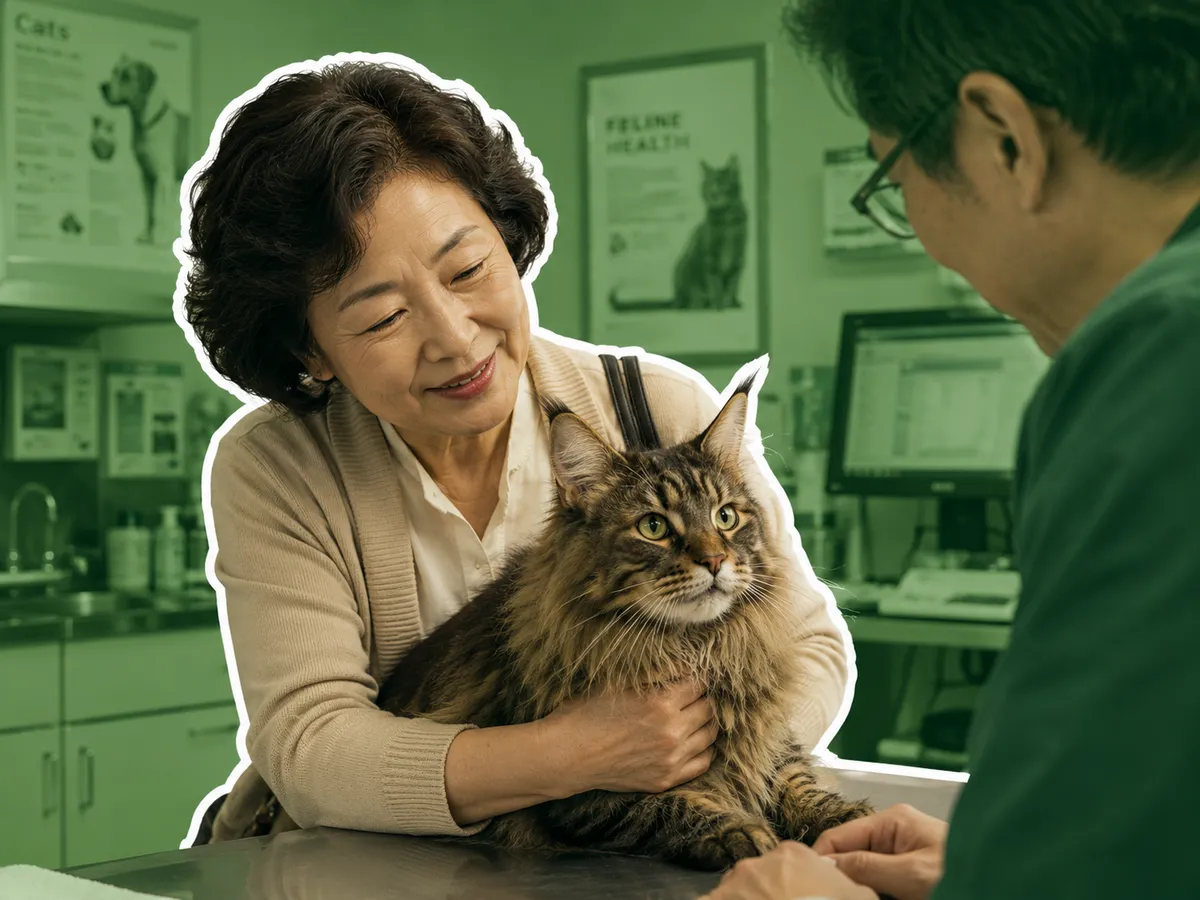
The invoice was sitting on the counter when I got home: $1,847 for a single emergency visit after my cat swallowed something he shouldn't have. One night, one procedure, one number I wasn't prepared for. I paid it because I had to, and then I sat down that same week and looked up pet insurance for the first time. Plans are available for cats and dogs of all ages, and some cost less per month than a streaming subscription. If you have been putting this off, comparing what is out there right now takes about ten minutes.
The Bill That Changed My Math
Before that visit, I had told myself pet insurance probably wasn't worth it. My cat was healthy. The monthly premium felt like money going nowhere. That logic held up right until a $1,847 invoice proved otherwise.
Here is the actual math. A mid-tier accident and illness plan for a cat often runs $20 to $35 a month. Over three years, that is $720 to $1,260 in premiums. My one emergency cost more than that. If I had been insured, most of it would have been reimbursed after the deductible. Instead I paid the whole thing out of pocket.
The North American Pet Health Insurance Association publishes annual industry data, and their numbers show pet insurance enrollment has grown every year for more than a decade. A lot of people have already done this math and landed on yes.
What a Pet Insurance Plan Actually Covers
Most plans fall into one of three categories: accident-only, accident and illness, or comprehensive with wellness included. Accident-only is the cheapest and most limited. Accident and illness is where most people land, and it covers things like surgeries, infections, broken bones, and cancer treatment.
Wellness add-ons cover routine care: annual exams, vaccines, flea prevention. They are sold as upgrades and may or may not pencil out depending on what you already spend at your vet. Run the numbers on your own routine bills before adding one.
What is typically not covered: elective procedures, grooming, food and supplements even if prescribed, and anything related to breeding or pregnancy. Dental illness coverage varies widely by provider. If that matters to you, read the fine print before you enroll.
The piece people miss: pre-existing conditions are almost never covered. If your dog already has hip dysplasia or your cat has been diagnosed with hyperthyroidism, those conditions will likely be excluded from day one. This is why timing matters more than most people realize.
How the Pricing Actually Works
Pet insurance has four numbers you need to understand before picking a plan. The premium is what you pay every month just to have coverage. The deductible is what you pay out of pocket before insurance kicks in, and it can be set annually or per-incident depending on the plan. The reimbursement percentage is how much the insurer pays after your deductible, typically 70%, 80%, or 90%. The annual limit caps what the plan will pay out in a given year.
Annual limits vary widely. Some plans cap at $5,000. Others go to $20,000 or offer unlimited coverage, which costs more but protects against the worst-case scenarios like cancer treatment or multiple surgeries in a single year.
A plan with a low premium usually comes with a high deductible or lower reimbursement rate. A plan with a $100 deductible and 90% reimbursement will cost more per month but leave you with less exposure on a large bill. Neither is wrong. It depends on what you can absorb monthly versus what you could handle in an emergency.
Where to Start Comparing Pet Insurance Plans
A few names come up consistently when people shop pet insurance. Lemonade is one of the more affordable options and quick to set up online. Embrace Pet Insurance offers a diminishing deductible that rewards you for claim-free years. Fetch gets strong marks for illness coverage breadth.
Prices vary by your pet's age and breed, where you live, and which coverage tier you choose. Getting a few quotes side by side takes about ten minutes and costs nothing. The difference between providers on the same coverage tier can run $10 to $20 a month, which adds up to $120 to $240 over a year.
One thing worth knowing: pet insurance does not use a provider network. Unlike human health insurance, you can use any licensed vet, specialist, or emergency animal hospital. You pay the bill upfront, then submit a claim for reimbursement. Most companies process claims within a few days to two weeks.
The Real Reason to Do This Before Something Happens
Younger and healthier pets get lower premiums and cleaner coverage. The longer you wait, the more likely it is that your pet develops a condition that gets flagged as pre-existing and excluded from any future plan.
Most plans also have a waiting period of around 14 days for illness coverage and 2 to 5 days for accidents after you enroll. You cannot sign up the week before a planned procedure and expect it to count. Plan ahead, before you need to.
I enrolled my cat the week after that invoice arrived. At his age and with no existing diagnoses, he qualified for a plan with no exclusions. Had I waited another year or two, that might not have been the case. The monthly cost felt manageable once I finally looked at it against what it would have covered that first night.
