The Clinics That Charge by What You Earn, Not a Price List
A checkup that costs $200 somewhere else can run $20 to $40 at one of these clinics, and your insurance status doesn't matter. There are over 1,400 of them, and finding one near you takes about ten minutes.
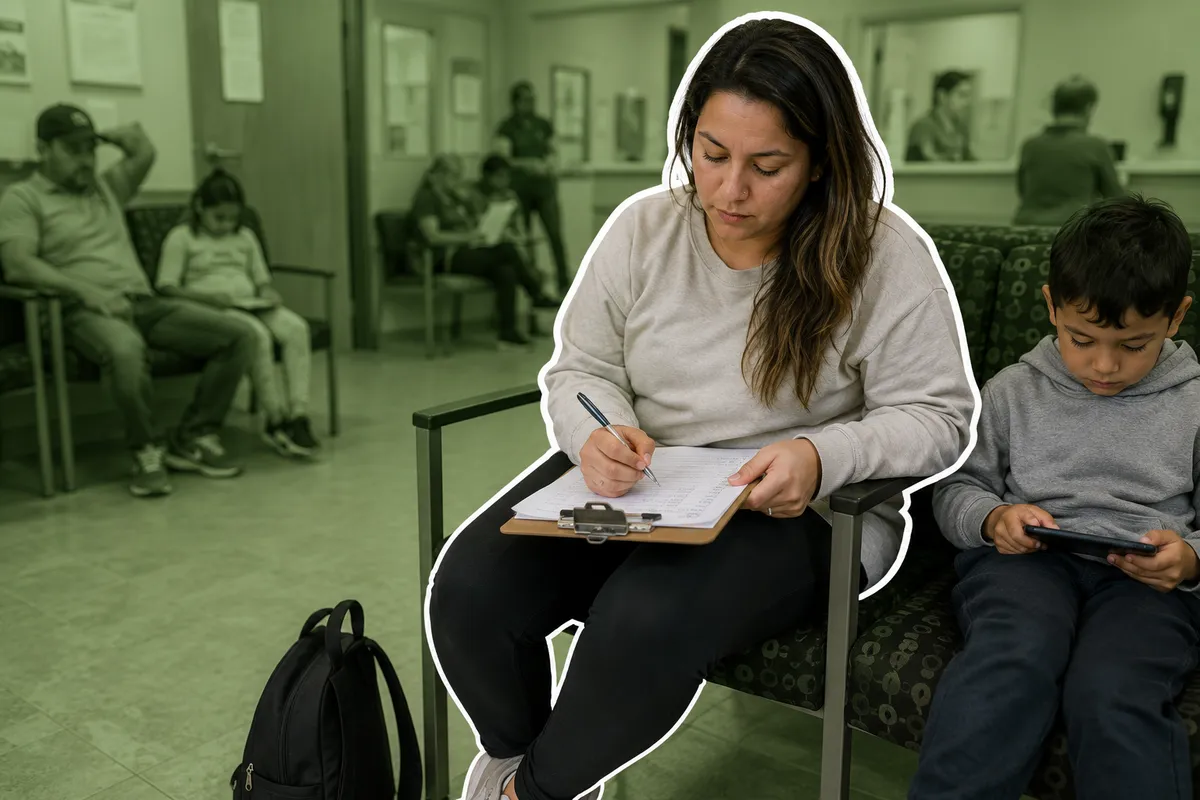
A basic checkup with a doctor who doesn't take your insurance, or takes none at all, can run you $150 to $200 before anyone even looks at a lab result. Federally Qualified Health Centers charge a different way. They use a sliding fee scale based on your income and household size, so that same visit can land at $20 to $40, sometimes less, no matter what coverage you have or don't have.
I found out about these the way most people my age do, which is by being between jobs and between insurance plans at the same time, googling "cheap doctor near me" at 11pm with a weird cough. What came up wasn't a discount clinic or an urgent care with a $99 special. It was a real, fully staffed health center that just happens to base its prices on what you actually make.
What a Federally Qualified Health Center Actually Is
FQHCs are community health centers that get federal funding specifically so they can serve anyone, insured or not, at a price tied to income instead of a flat rate. There are more than 1,400 of them operating across the country as of 2025, running upwards of 15,000 individual clinic sites between urban neighborhoods and rural towns most people assume have nothing.
They're not a stripped-down version of real healthcare. Most offer primary care, dental, behavioral health, and prescription help under one roof, and many take walk-ins the same week you call. The HRSA health center locator pulls up every certified site near your zip code, and it's the same federal database the clinics themselves are listed in, so you're not guessing whether a place is legit.
How the Sliding Fee Scale Actually Works
The sliding scale runs off the federal poverty guidelines and your household size, not your credit score or your job title. If your income falls at or below the guideline, your visit may be reduced to a flat nominal fee, often in the $20 to $40 range depending on the clinic and what the visit involves. As income rises above that line, the discount narrows in steps, but there's still a break built in for a wide range of incomes, not just the poorest patients.
This isn't a vague "call and ask" situation. Every certified center is required to publish and apply a sliding fee schedule, and HRSA's own program guidance lays out exactly how that scale is supposed to work. You don't need insurance to qualify for the discount. If you have insurance, the clinic bills that first, but the sliding scale is still there as a backstop for whatever you'd owe out of pocket.
What to Bring So the Fee Gets Set Right Away
- A pay stub, a recent tax return, or an unemployment letter, something that shows current household income.
- A basic list of who lives in your household, since the fee is based on household size, not just your own paycheck.
- Your insurance card if you have any coverage at all, even a bare-bones plan, since it still gets billed first.
- A photo ID, mainly for scheduling and records, not for eligibility.
If you show up without paperwork, most centers will still see you and work out documentation after, but bringing it on day one usually means you walk out already knowing your rate instead of waiting on a callback.
What These Clinics Actually Treat
People assume "community health center" means a nurse checks your blood pressure and sends you elsewhere for anything real. That's not how most of these operate. A typical FQHC handles annual physicals, sick visits, chronic condition management like diabetes and blood pressure, prenatal care, dental cleanings and fillings, and mental health counseling, often all scheduled through the same front desk.
Prescription costs get addressed too. Many centers have an in-house pharmacy or a partnership that applies the same income-based discount to medications, which matters more than the visit fee itself if you're managing something ongoing. If a hospital ever ends up in the picture instead, hospital charity care programs work on a similar principle and are worth knowing about before a bill shows up.
Actually Booking the Visit
The whole thing takes about the same effort as finding a regular doctor. Pull up the HRSA locator, filter to your zip code, and call the closest one to ask what they need for a new patient sliding fee application. Most can get you an appointment within a week or two, and the income form usually takes ten minutes to fill out in the waiting room.
I've sent three friends to the one near me since I found it, all with different insurance situations, and all three walked out paying less than they expected. That's the whole pitch. Not a discount code, not a coupon, just a clinic that already built the discount into how it prices everyone.
